
I don’t hold this view. The evidence raised considerable doubt.
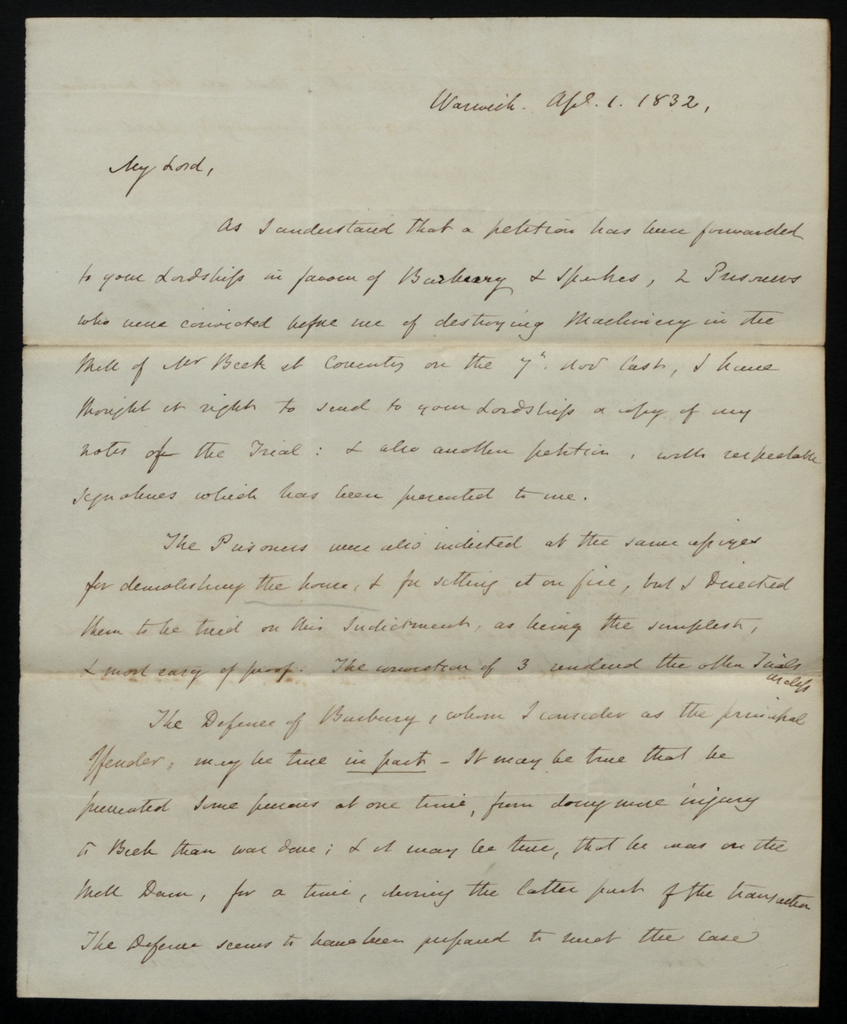
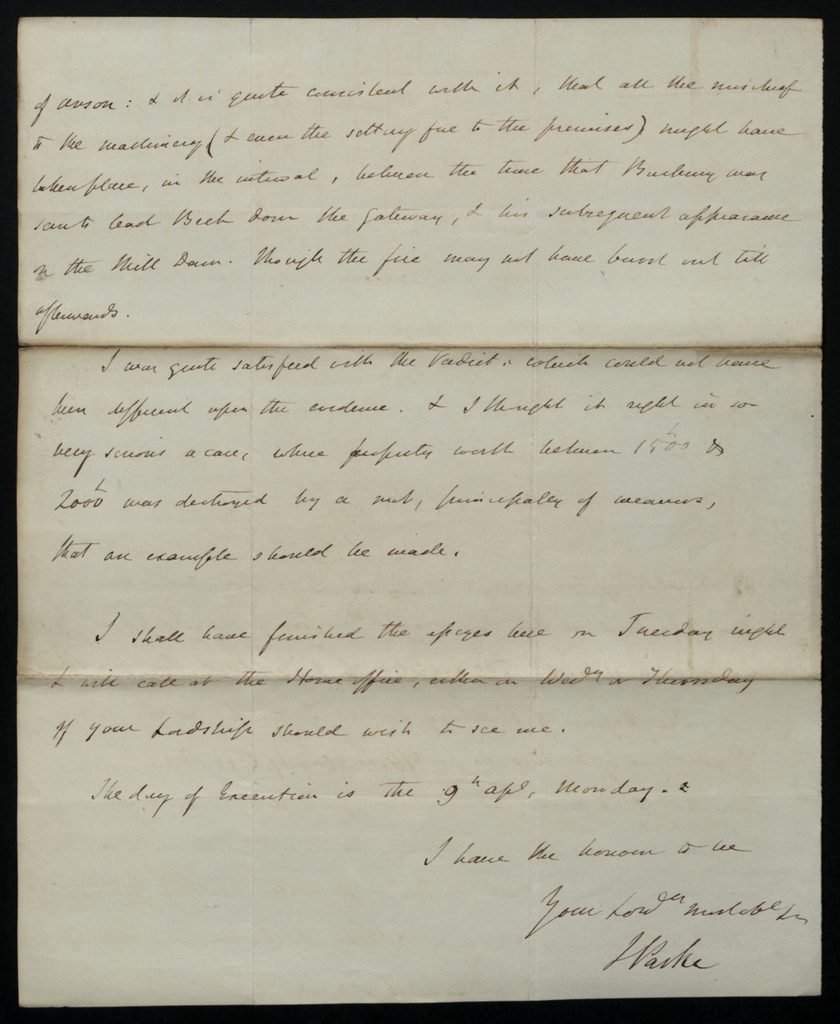
Contrast Justice Parke’s letter with that from trade unionist, Percy Fitzpatrick, to MP Edward Ellice (transcriptions following).
Transcript – Justice Parke
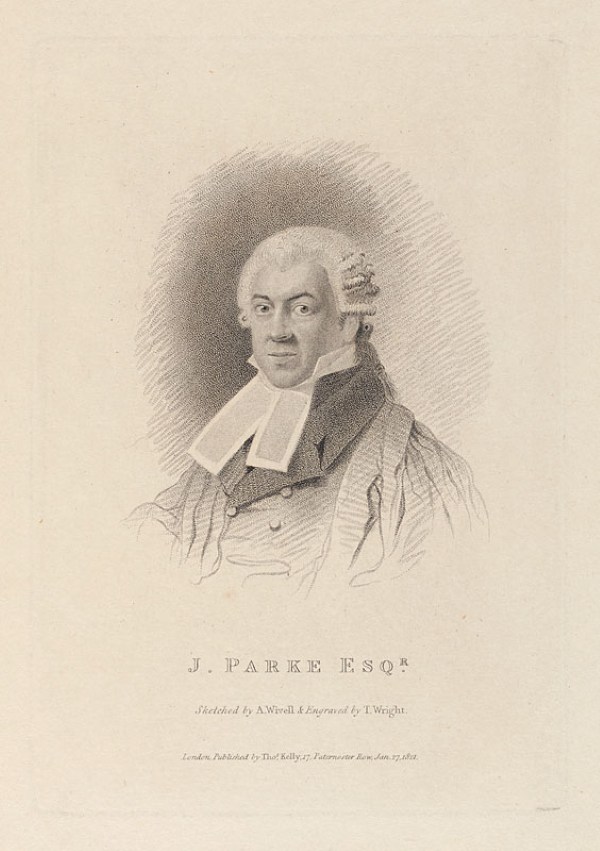
Justice Parke didn’t see human beings wracked with poverty. He saw damage to possessions and insisted on the death penalty.
Transcript – Trade Unionist, Percy Fizpatrick
Fitzpatrick saw desperate workers defending their livelihoods from being swallowed by machines. He saw people…humans…and called for mercy.
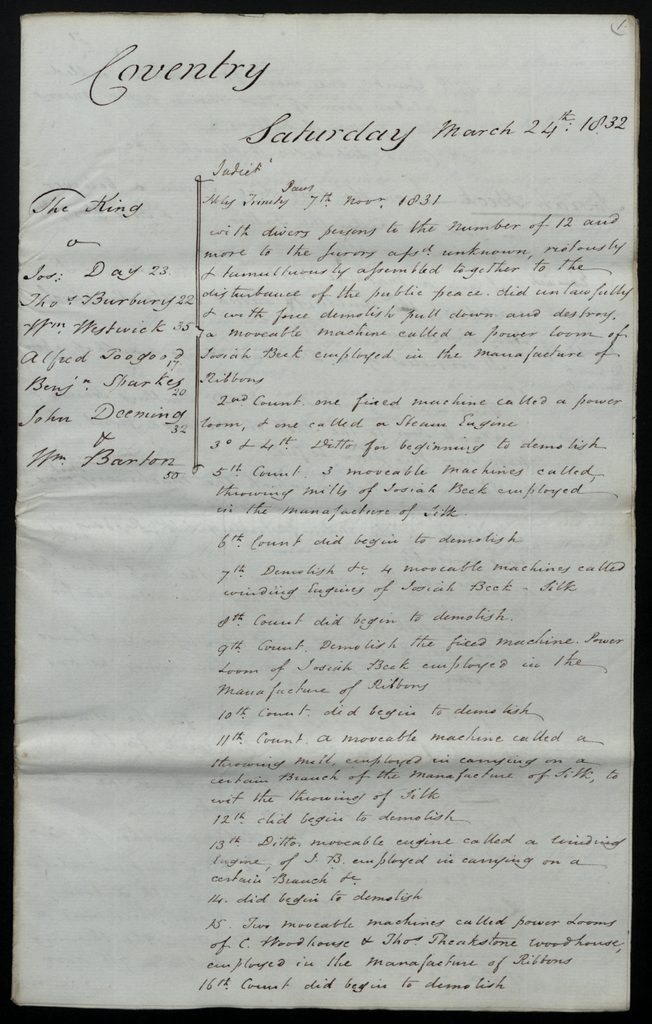
Court record – attached to Justice Parke’s letter
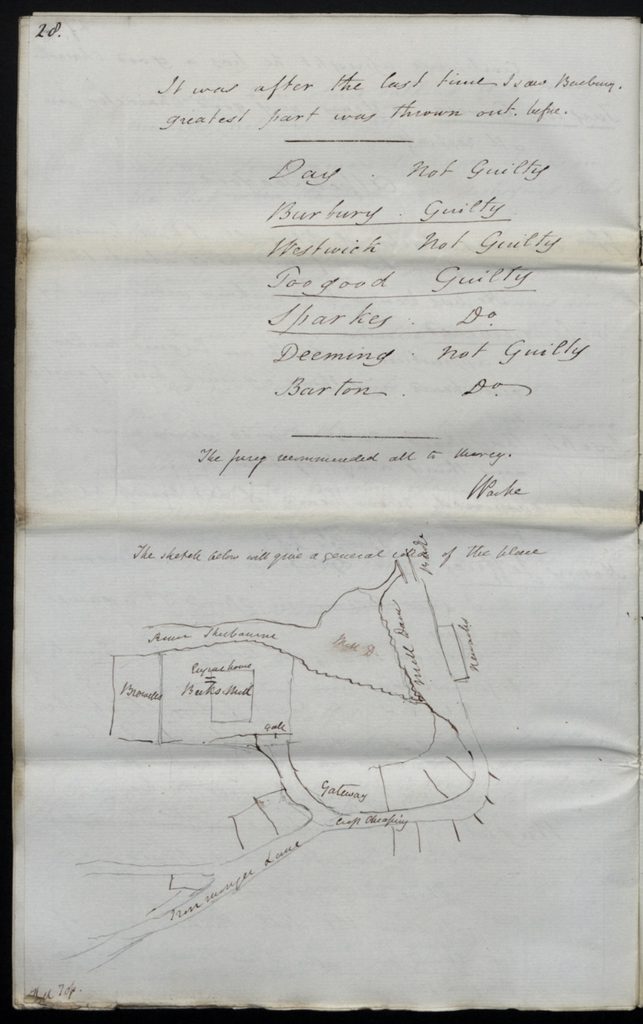
Ps. The map is actually incorrect. The road labelled ‘Cross Cheaping’ is actually ‘New Buildings’. Refer to the Board of Health Map.
The full transcript of the trial is provided below. It does not record the judge’s comments. I have taken these directly (almost word for word) from the Coventry Herald & Observer report shown on the main Bonus Material page (under “Historic Documents”).
Viewed from a modern lens, some of Parke’s comments are highly prejudicial.
adsfadsf